


Introduction
The Gujarat High Court’s ruling in the Afroz Fatta case has attracted attention for its discussion on evidentiary standards and the right to discharge under Indian criminal law. In State of Gujarat v. Afroz Mohammed Hasan Fatta, the Court examined whether criminal proceedings could continue in the absence of sufficient material establishing a prima facie case against the accused.
The judgment is significant because it reiterates an important principle of criminal jurisprudence: an individual should not be compelled to undergo a criminal trial unless the prosecution is able to present credible material creating grave suspicion regarding the alleged offence. The decision also highlights the role of courts in preventing misuse of criminal proceedings and ensuring procedural fairness at the preliminary stage itself.
Case Facts
- Case Name: State of Gujarat v. Afroz Mohammed Hasan Fatta
- Court: Gujarat High Court
- Subject Matter: Discharge under criminal procedure and evidentiary scrutiny
- Nature of Proceedings: Criminal Revision Application
- Core Issue: Whether the prosecution had sufficient material to proceed against Afroz Mohammed Hasan Fatta
The dispute arose when the accused sought discharge on the ground that the prosecution had failed to establish adequate material linking him to the alleged offences. The trial court accepted the contention and granted relief in favour of the accused. Aggrieved by the decision, the State challenged the order before the Gujarat High Court.
Legal Framework Governing Discharge
The concept of discharge under Indian criminal law acts as a safeguard against unnecessary prosecution. Sections 227 and 239 of the Code of Criminal Procedure, 1973 empower courts to discharge an accused where sufficient grounds for proceeding are absent.
At the stage of discharge:
- Courts are not expected to conduct a detailed trial-like examination of evidence;
- However, judicial scrutiny cannot be mechanical;
- The prosecution must disclose material creating a strong or grave suspicion against the accused.
The Supreme Court has consistently held that criminal trials should not proceed merely on speculative allegations or weak assumptions. Therefore, the discharge stage serves as an important procedural checkpoint within the criminal justice system.
Observations of the Gujarat High Court in the Afroz Fatta Case
While examining the revision application, the Gujarat High Court analysed whether the prosecution had produced legally sustainable material against Afroz Mohammed Hasan Fatta. The Court reiterated that although detailed appreciation of evidence is not required at the preliminary stage, the existence of a prima facie case remains essential.
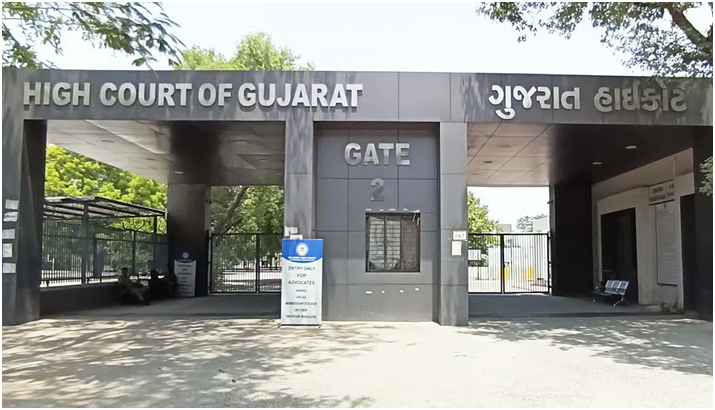
The Gujarat High Court’s ruling in the Afroz Fatta case strengthened procedural fairness in criminal jurisprudence
The Court observed that:
- Criminal prosecution cannot continue solely on vague allegations;
- Courts must apply judicial mind before framing charges;
- The material on record must reasonably connect the accused with the alleged offence;
- The right against arbitrary prosecution is a crucial component of fair criminal procedure.
The judgment emphasised that the purpose of discharge provisions is to protect individuals from prolonged criminal litigation where the prosecution lacks adequate evidentiary support.
Evidentiary Standards and Prima Facie Case
A major aspect of the Afroz Fatta case concerns the distinction between:
- Mere suspicion; and
- Grave suspicion sufficient for trial.
Indian criminal jurisprudence recognises that every accusation does not automatically justify prosecution. Before directing an accused to face trial, courts must determine whether the prosecution materials disclose sufficient grounds indicating involvement in the alleged offence.
The Gujarat High Court reaffirmed that:
- Mere assumptions are insufficient;
- Weak evidence cannot justify continuation of criminal proceedings;
- Judicial scrutiny at the discharge stage protects procedural fairness and individual liberty.
The ruling therefore strengthens the principle that criminal law should not become a tool for harassment or speculative prosecution.
Significance of the Judgment
1. Protection Against Frivolous Prosecution
The judgment reinforces safeguards against unnecessary criminal trials based on inadequate evidence.
2. Strengthening Judicial Scrutiny
The Court highlighted that judges must independently examine prosecution material instead of mechanically framing charges.
3. Importance of Procedural Fairness
The decision contributes to fair trial jurisprudence by recognising the reputational and personal consequences of criminal prosecution.
4. Clarification on Discharge Standards
The Afroz Fatta case clarifies that a prima facie case must be supported by credible material capable of creating grave suspicion.
Conclusion
The Gujarat High Court’s decision in State of Gujarat v. Afroz Mohammed Hasan Fatta is an important contribution to Indian criminal jurisprudence concerning discharge and evidentiary standards. The ruling reaffirms that criminal trials should proceed only where the prosecution possesses sufficient material linking the accused to the alleged offence.
By emphasising judicial scrutiny, procedural safeguards, and protection against arbitrary prosecution, the Afroz Fatta case strengthens the broader principles of fairness and due process within the Indian criminal justice system.
Join LAWyersClubIndia's network for daily News Updates, Judgment Summaries, Articles, Forum Threads, Online Law Courses, and MUCH MORE!!"


Tags :Others


