
Horse racing is probably one of the most widely spread-out sports in the world. Every continent has a relationship with the sport that goes back hundreds of years. However, although horse racing looks almost identical in every country, there are some major differences.
If the same horse race were shown simultaneously in Britain, Japan, France, Australia, Hong Kong, and the United States, would everyone watching be allowed to interact with it in the same way? Absolutely not.
Yes, the sport looks the same. Horses leave the starting gate and race down the finish line, but the differences come in terms of regulations and sports wagering.
One country allows competing bookmakers to offer fixed odds, while another permits horse-race wagering only through pari-mutuel pools, where money from bettors is combined, and winnings are divided among successful tickets after deductions. Somewhere else, racing rules are largely national, but gambling laws change when you cross into another state.
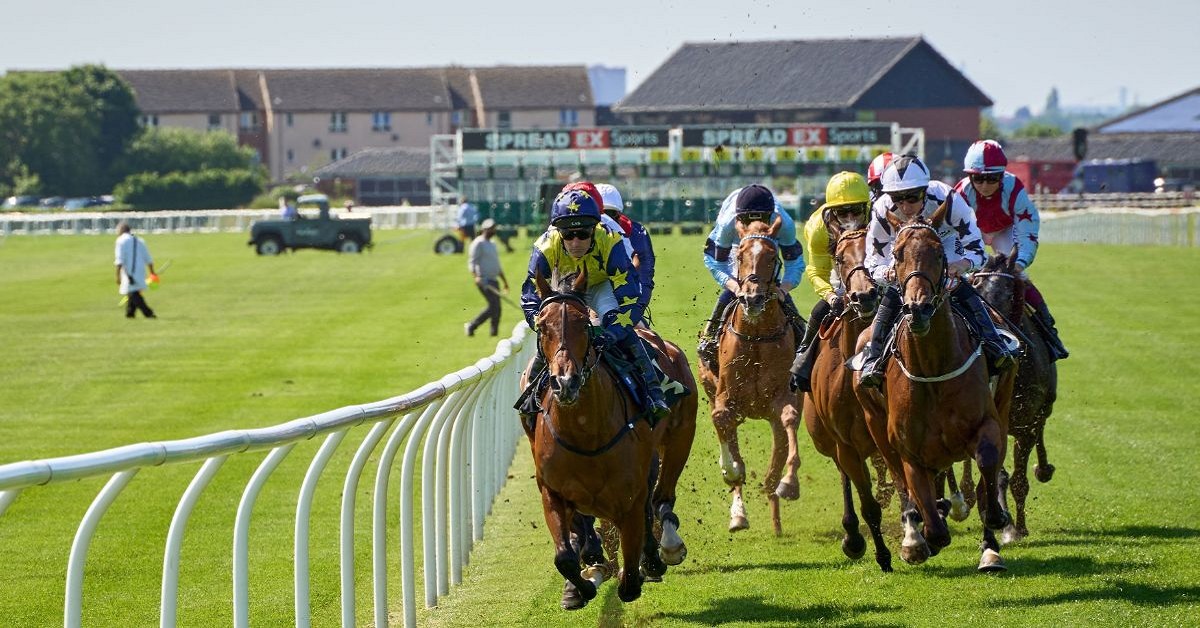
So, let's see how different countries regulate horse racing and sports wagering.
Britain Separates Regulating the Race From Regulating the Bet
Let's start from the place that many people consider to be the birthplace of modern-day horse racing. Britain has perhaps one of the easiest systems for an outsider to understand.
The British Horseracing Authority, or BHA, governs the sporting side of British racing. It maintains the rules of racing, licenses participants, and handles integrity, disciplinary, and welfare matters.
The actual gambling industry is regulated separately by the Gambling Commission, which licenses betting companies and enforces the Gambling Act 2005 and associated license conditions.
Then we have private bookmakers, which are deeply established in British racing culture, both online and at racecourses. Betting exchanges are also permitted, which allows customers to effectively take opposing sides of a market rather than dealing only with one bookmaker.
So, Britain has one of the cleanest regulations of horse racing in the world. It allows quite a lot of freedom, which is probably the reason why horse racing is so popular out there.
America Has Been Slowly Becoming More National and More Local at the Same Time
As we move to the United States, the situation gets a bit more complicated. The United States is more complicated.
When we look through history, American Thoroughbred racing was regulated primarily by individual state racing commissions. That produced significant differences between jurisdictions, particularly around medication and safety.
But the Horseracing Integrity and Safety Act of 2020 changed part of that structure.
Today, the Horseracing Integrity and Safety Authority, or HISA, develops national standards that cover racetrack safety, anti-doping, and medication control under the oversight of the Federal Trade Commission.
But this doesn't mean that state authorities have disappeared. In most states, horse racing betting is completely legal, even when general sports wagering isn't.
Racing hubs like Kentucky, which are home to the majority of big horse racing events, including this year's Breeders' Cup, absolutely need betting in order for the sport to continue to develop and survive in the future.
By July 2026, the Congressional Research Service reported that 39 states plus Washington, D.C., had authorized some form of state-regulated sports wagering.
So, if you're looking to place a bet on the Breeders' Cup from the United States, first check out your state laws, then move on to TwinSpires to do your research and find some expert predictions.
France Keeps Horse Betting Much More Controlled
France offers a particularly interesting contrast with Britain.
France Galop regulates Thoroughbred racing, licenses owners, trainers, and jockeys, writes the Rules of Racing, and oversees the integrity of flat and jump racing. Changes to those rules are approved by the French Ministry of Agriculture.
Wagering operates under another authority, the Autorité Nationale des Jeux , usually called ANJ.
The crucial difference is how France treats horse betting.
Legal horse-race wagering is permitted only on a pari-mutuel basis . Bets are combined into common pools, and the remaining money is distributed among winning customers after deductions.
Japan Keeps the Bookmaker Out Completely
Japan is even more distinctive.
The country's Horse Racing Act divides racing into central racing , operated by the Japan Racing Association, and regional racing conducted by prefectures or designated municipalities. The law specifically prevents unauthorized organizations from running horse racing or selling race betting tickets.
There are no legal private horse-racing bookmakers in the British sense.
Horse wagering is pari-mutuel.
The Japan Racing Association offers familiar pool formats, including win, place, quinella, exacta, trifecta, and multi-race combinations, with tickets available at racecourses, off-course facilities, and through authorized electronic accounts.
Australia Combines National Racing Rules With State-Based Control
Australia manages to be both organized and complicated.
Racing Australia maintains the Australian Rules of Racing and coordinates national Thoroughbred systems, but the actual supervision of racing is carried out through Principal Racing Authorities in the individual states and territories, including Racing NSW, Racing Victoria, Racing Queensland, and others.
That allows the country to maintain common racing standards while still giving state and territory bodies substantial authority.
Wagering adds another layer.
Operators are generally licensed through Australian states or territories, while the federal Australian Communications and Media Authority, or ACMA, regulates important aspects of online gambling under the Interactive Gambling Act.
Hong Kong Deliberately Avoids a Competitive Betting Market
Then there is Hong Kong.
Hong Kong's government openly states that its policy is not to encourage gambling. Instead, it allows a limited number of regulated outlets partly because authorities believe persistent public demand would otherwise move toward illegal operators.
The practical result is extraordinary by international standards.
The Hong Kong Jockey Club is the only licensed operator under the principal legal regime for authorized horse-race and football wagering. Government documents explicitly say that having multiple operators could stimulate greater gambling demand, which would conflict with policy.
Final Thoughts
Horse racing is one of the world's oldest international sports, but laws surrounding it remain wonderfully local. But that is exactly what makes it fun.
On top of that, when we compare it to other sports and see how they are regulated, horse racing has always received better treatment from governments all over the world.
Join LAWyersClubIndia's network for daily News Updates, Judgment Summaries, Articles, Forum Threads, Online Law Courses, and MUCH MORE!!"


Tags :Miscellaneous