


Think: Why are two businesses shipping the same goods paying different marine insurance premiums?
Premiums are calculated based on the risk associated with the cargo. A proper understanding of premium calculation enables businesses to make well-informed insurance decisions and plan shipping costs effectively. This also applies to freight cargo insurance , which considers the nature of cargo and transit risks. Read on to know the meaning of risk-based pricing in marine insurance in detail.
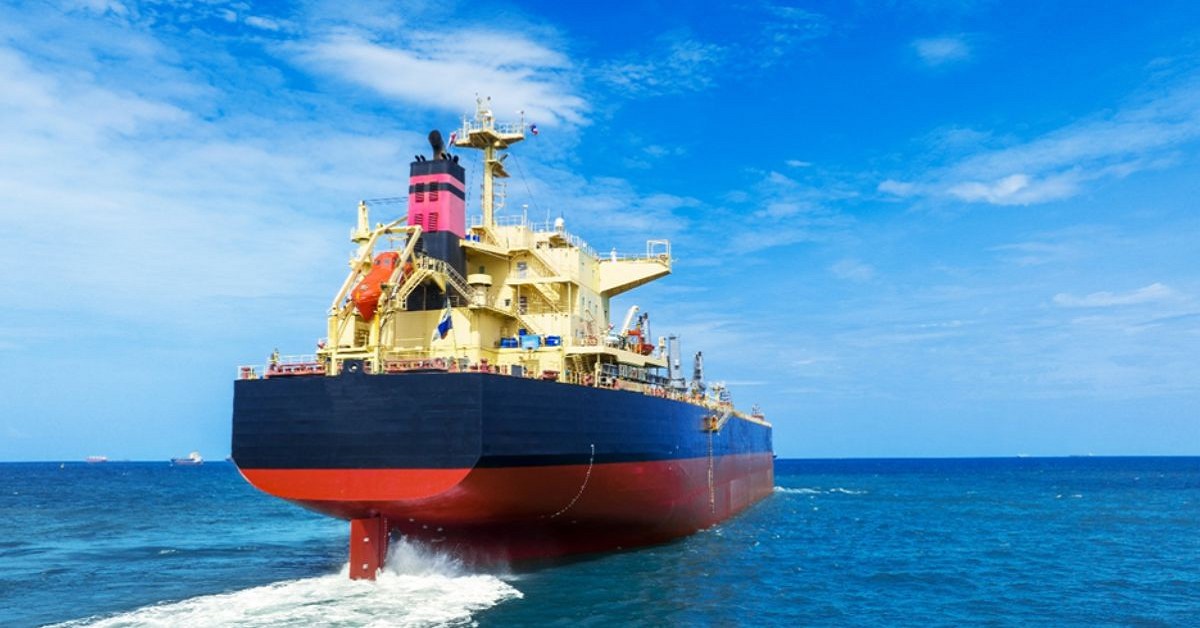
What is Risk-Based Pricing in Marine Insurance?
Risk-based pricing in marine insurance is the process of calculating an insurance premium based on the risk associated with a shipment. In marine insurance, the premium is not fixed and varies. Insurers consider several factors before determining the premium amount. These factors include the route of shipping, mode of transport, cargo type, destination, quality of packaging, claim history, and transit conditions.
The formula for premium calculation is:
Premium = Chances of Claim * Expected Loss Value + Company Costs and Profit
This implies that shipments with reduced risk attract lower premiums, while high-risk shipments charge higher premiums. This approach enables insurers to offer pricing based on exposure level.
What are the Main Factors Affecting Risk-Based Pricing in Marine Insurance?
Several factors affect the risk-based pricing in marine insurance. Insurers consider these factors to assess the risk and determine the premium amount. Listed below are the main factors:
Vessel Factor
Risk assessments depend on the condition, age and type of vessel. Vessels in good condition and running well with high safety standards are likely to be safer and involve less risk. The vessel's maintenance record and compliance with standards and regulations are also taken into account.
Cargo Value and Type
Pricing is affected by the value and type of cargo. Fragile, perishable goods may need more extensive protection because of increased risk of exposure while in transit. Relatively lower-risk products have lower premiums.
Geographical Risks
Shipping destination and route also affect pricing. Routes exposed to severe weather, piracy, or port congestion carry higher risks. Stable routes support more balanced premiums.
Historical Claims and Risk Management
Review the previous claim record to understand the overall risk profile. Businesses with good risk management practices, safe cargo handling, and proper packaging reflect lower exposure to risks during transit.
Data Use and Advanced Technology
To measure risks more accurately, insurers use advanced technology and data analytics. Shipment tracking, weather monitoring and predictive risk analysis enable informed shipment pricing decisions and enhanced risk evaluation overall.
Why Risk-Based Pricing Matters for Indian Businesses?
With risk-based pricing, businesses can calculate insurance premiums. Here’s why this method is crucial for Indian businesses:
Transparency
Risk-based pricing offers clarity in premium calculations. It takes into account the risks of shipments and operations, rather than using a uniform pricing method. This helps businesses understand the factors that can affect insurance prices.
Fair Pricing
Each shipment involves different risk levels. The premium is based on risk—it corresponds to the nature of the cargo, vessel and route. This ensures a fair pricing model for businesses with different shipping requirements.
Safer Practices
Risk assessment encourages businesses to adopt better shipping and cargo practices. Strong packaging, safe loading, and adherence to safety standards improve risk profiles and support safer cargo transport.
Prepare for Unexpected Events
Marine transit involves unpredictable events. Risk-based pricing helps businesses select coverage that matches their exposures, supporting financial planning and business continuity during unforeseen shipping incidents.
How Does TATA AIG Marine Insurance Benefit Businesses with Comprehensive Coverage?
Marine insurance safeguards goods during the supply chain. Comprehensive coverage minimises financial risk for businesses and supports trade activities across the country and internationally.
TATA AIG Marine Insurance provides flexible solutions to meet various business needs, including domestic and global shipments. Businesses can select among several policy options and are covered for cargo transport in all modes from sea, air, road, rail and inland water. The policy also covers the risk of fire, theft, collision, and natural events (including loading and unloading risks). The e-Marine portal allows for more efficient policy management, certificate issuance and digital claims tracking. TATA AIG also provides special cargo solutions, coverage and Marine Loss Control Engineering (MLCE) services to enhance risk management and safeguard business continuity.
Join LAWyersClubIndia's network for daily News Updates, Judgment Summaries, Articles, Forum Threads, Online Law Courses, and MUCH MORE!!"


Tags :Others


