
Most founders, marketers, or product leads have lived this scene at least once. You fire up an AI app, plug in something like "suggest ten memorable names for eco-friendly skincare." Instantly, it drops ideas that sound fresh, smart, usable - like someone who knows the market sat down just for you. Brainstorming becomes optional. Agencies aren’t needed right away. Silence replaces days of back-and-forth.
One after another, these choices pile up - each unnoticed, yet shaping something big. Names pop into existence everywhere, without checking what's already claimed. Instead of digging through trademark records, teams move fast, skipping old steps. Sound-alikes? Forgotten. Past registrations by rivals? Ignored. What once felt mandatory now gets left behind, like outdated gear tossed aside.
Out of nowhere, a chatbot sparks something that turns into a brand symbol. From there it slips onto packaging without much thought. A name appears on stiff paper handed out at meetings. Then comes official paperwork, unless someone speaks up before things go too far.
Reality has shifted. Yet trademark law still stands where it once did, firm and unchanged. When these two meet - which they already are - friction follows. Out of each clash comes something unfamiliar: legal battles shaped by questions no one had to answer before. Judges face puzzles. Lawyers rethink arguments. Companies feel their way forward, unsure. This moment was bound to arrive. Preparation lags behind.
The Old Way Of Naming A Brand And Why It Was Used
Picture how brands were built long ago, back when humans shaped every logo and slogan by hand. Now imagine machines doing that work instead - suddenly, questions pop up about who owns what. The shift isn’t just technical. It rattles old ideas of authorship, value, even art. Rules haven’t caught up yet. That gap? Where trouble begins.
Starting fresh, a firm might turn to specialists when introducing something new. Weeks could pass while ideas take shape through trial and reflection - weighing how they stick in memory, land with diverse audiences, sound in various tongues, fit online spaces. Out of many, only a few make the cut.
These get passed along for legal review. Searching far and wide, an expert scans official lists at home and abroad, listens for names that sound too much alike, lines up categories tied to what the company sells, then shares thoughts on which choices carry more exposure.

Slow going. Cost a lot. Felt like hitting walls when funds ran low. Yet it did something necessary - kept duplicate names from slipping through, avoiding messes later on.
What stops mix-ups? Trademark law does. Not because inventiveness deserves prizes just for existing. Because shoppers need clarity - knowing exactly who made what they hold or where they shop shapes trust in familiar names tied to quality. Recognition guides decisions, nothing more.
Seconds now replace weeks when AI builds brands, yet the filter once built into time remains gone. With it, though, legal lines do not vanish.
What AI Tools Can Do Versus What They Cannot
What happens under the hood matters, especially since many assume these tools create names through magic rather than logic. A clear picture helps cut through the noise clouding real understanding.
From massive piles of written material - novels, web pages, ads, product write-ups, company titles, along with everyday speech - these systems learn what tends to go where. Patterns emerge through exposure, shaping how responses take form. Out comes phrasing that mirrors the way high-end coffee labels usually sound when someone requests one. What shows up matches familiar rhythms found during earlier scans of similar branding.
Just because it gives a name doesn’t mean it checks official records. Checking the Trade Marks Registry? That task isn’t part of its work. The tool skips matching terms using the Classification framework entirely. Instead of scanning for sounds like existing trademarks in Class 29 or Class 41, it offers ideas blindly.
A suggestion might already belong to another company - no warning comes. Accessing live legal databases falls outside its function. Even with such data available, spotting conflicts legally wouldn’t be something it could handle.
A name born just now might seem unique, created on the spot for a request the system has never seen. Yet newness doesn’t mean it's safe to use - that mix-up trips up many. The gap between original appearance and legal safety hides the real danger.
The Consumer Confusion Standard Remains Unchanged
Most places with strong IP rules ask a basic question when judging trademarks. Could regular buyers mix up these brands? India's system works much the same way. Confusion among everyday shoppers shapes how rulings unfold. This idea guides decisions across courts worldwide. The test isn’t about exact copies. It centers on perception instead. What matters most is whether people might get things wrong.
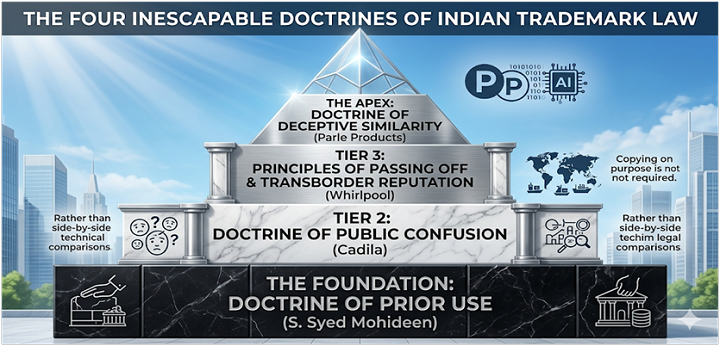
This idea came clearly into view through a ruling by India's highest court in a case involving two drug companies named Cadila. That judgment, delivered back in 2001, shaped how courts decide when brands seem too much alike.
Instead of assuming buyers study labels closely, the justices focused on memory gaps most people carry while shopping. Imagine someone recalling a product seen long ago, not examining packages side by side today. Attention often wavers during real purchases, influenced by time, place, stress. What matters then is whether confusion feels likely under such messy everyday conditions.
Looking at how close two names sound matters just as much as how they appear on paper. One thing blends into another - the type of product or service plays a role too. Who buys it shifts the picture, since different shoppers notice different things. What sticks after seeing both marks together means more than picking apart each piece. The full effect counts, not just isolated features.
Still unchanged, every part of this system stays untouched by artificial intelligence. When two names clash, Indian courts will keep asking the same things - no matter if those names came from experts in suits, a company's own designers, or a machine crafting responses late at night because someone demanded an idea before sunrise.
How an algorithm helps design a logo doesn’t matter when deciding if shoppers get confused. That path changes nothing legally - companies using AI still face lawsuits, just through another door.
Honest Adoption With Questions About Careful Checking
Most times, Indian companies facing trademark disputes lean on honest adoption - saying they picked the name unaware of prior claims, not aiming to copy or gain from another's image. What matters here is whether the choice felt genuine at the time it was made. Awareness of older marks rarely comes up early in branding moves. Still, courts look closely at when knowledge arrived. Using a similar sign does not automatically mean foul play. Some brands simply evolve near each other by chance. Intent shapes the outcome more than overlap alone. Past rulings show room for error if actions stay transparent. The key lies in timing and transparency both.
Goodwill tied to a brand name? It still counts, even if someone else starts using it without bad intentions. That idea took shape clearly when judges looked at N.R. Dongre versus Whirlpool Corporation back in 1996 - a decision since then shaping how marks are seen. What stood out was this: copying on purpose isn’t needed for harm to happen. People might get confused. The owner who came first could lose ground. Focus shifted toward real-world impact rather than mindset behind adoption.
Here’s trouble for companies using AI-made brand names when they face legal fights. Saying “the AI picked it, so we didn’t know” won’t hold up well in court. Instead, judges will push further - was real effort made to check for conflicts, like any careful company would do before going public?
Skipping a simple trademark check isn’t clever. Big firms do it, small ones can’t afford not to. This step counts as baseline responsibility in business. If a company picks a name - handmade or computer-made - without looking first, courts won’t buy that they acted in true good faith. Expect trouble down the road.
What keeps honest adoption safe isn’t a shield for carelessness. When brands made by AI go live without checking laws first, that lapse falls right outside its protection.
Prior Use A Doctrine AI Cannot Overrule
It begins with whoever used the mark first. Even if someone else registers it later, that does not erase earlier usage rights. What matters is who was there before, not who filed paperwork last week. Courts have said it plainly - timing counts more than new branding trends.
A recent court decision won’t wipe out long-standing public recognition. Fresh names built by machines hold no special weight here. Ownership stems from use, not invention tools or digital novelty. The law leans toward history, not haste.
Earlier presence shapes outcome, regardless of how slick the newer version looks.
Still fresh in memory, the Supreme Court spoke plainly in S. Syed Mohideen v. P. Sulochana Bai - prior users hold stronger ground than those merely registered. Not by paperwork alone does a brand gain strength; instead, time spent in trade shapes its real value. What matters grows from how often customers meet the name on shelves, linking trust to symbol. Because of such daily exchanges, goodwill takes root. From these moments, reputation builds, independent of any government record.
Picture what happens when new AI-made brand names hit the marketplace today. A tech team in Mumbai enters words into a name generator, picks one fast. They grab a web address straight away, start offering products. That company does not know - since they skipped checking trademarks - someone else already uses a nearly identical sound-alike name down south. In Pune, a modest shop has carried that spoken version for seven full years, serving nearby buyers only. Filing paperwork never seemed necessary there; regular talk among locals kept sales steady all along.
Someone was there first. That matters, even if a clever program made something new. One day the clash comes. It always does. Distance used to hide these fights, but not anymore. Online trade brings everyone too close. Then the young company finds itself caught. Its love for speed and smart code won’t shield it then.
Structural Similarity How Algorithms Follow Patterns
Something else hides inside this issue, one that lawyers and companies rarely see coming. These AI systems often copy speech styles without meaning to, simply because of how they’re built. So clashes over brand names might not come from mistakes people make. They can grow out of the way the machines themselves learn and repeat words. The design feeds the conflict, quietly.
Should a language model create brand names within a set field - say tech, health, money, or snacks - it leans on familiar patterns absorbed from prior examples. Rather than avoiding typical beginnings or endings found in those areas, it repeats them more often. Because of how the system weighs likelihoods, words sounding or looking like current brands pop up frequently. Familiarity drives output; uncommon forms tend to fade behind repeated shapes already seen.
Back in 1972, the Supreme Court looked at something similar - though algorithms weren’t part of the picture yet - in Parle Products (P) Ltd. v. J.P. & Co. Mysore. Visual layout plus how things were built played a role in that case. What mattered most wasn't breaking down each tiny detail one by one. Instead, attention turned to how regular buyers saw the whole thing together. First impressions guided the outcome more than technical comparisons ever could.
A name made by artificial intelligence might look unique at first glance, yet still cause confusion when compared to a current trademark. What matters is how it feels when heard or seen - the way it flows, sounds, fits together. Even if code picked the exact string of characters, people experience it just like any other word. Their perception isn’t shaped by how it was built, only what it becomes in their heads.
This issue isn’t just hypothetical. Real companies using artificial intelligence to shape their identity must treat it as a live legal exposure - one baked into how they plan ahead.
The Pace Of Digital Commerce Changes How Fast Things Happen
Years went by before trademark fights even began. When a fresh name popped up somewhere small, it grew slowly at first. Only later did companies already holding rights notice - maybe at an industry event, through supply chains, or because rivals started talking.
Nowadays digital trade shrinks time like never before. One new label might pop up online, show in apps, land on big shopping sites - all inside seven days flat. People across India spot it fast, even folks overseas where the company hasn’t set foot yet, thanks to shares and web searches spreading wide. When another name clashes, you see it out there almost right away - weeks pass, not decades.
Out of nowhere, Indian courts began tackling fresh challenges tied to internet shopping and logo rights. In 2018, a ruling from Delhi took shape in the case of Christian Louboutin vs Nakul Bajaj and instead of brushing it aside, the court dug into how websites might carry blame if fake branded goods appear through their systems. Since then, views shifted - slowly - as judges recognized that old rules hardly fit today’s online clashes between companies. Though subtle, the change whispered louder than expected.
Right off the bat, artificial intelligence–driven branding runs into real trouble. Picture one label building slowly in a small space - years ago that could last awhile - but today another identical name pops up right away. Clashes happen way more often now. Damage hits hard and fast, quicker than anything seen before in naming rights history.
Future of Legal Disputes
One thing leads to another when AI churns out endless brand names without proper checks. Without consistent legal reviews, mistakes slip through more easily. Language models tend to repeat what they know, which means similar names pop up again and again. As online shopping moves faster, overlaps become harder to avoid. All of this together? More clashes over trademarks seem likely in the years just ahead.
Some law offices have begun seeing these disputes appear. Eighteen months after launching, a new venture finds its computer-made brand facing official challenge. Suddenly, out of nowhere, a firm gets mail claiming another firm used a nearly identical name first - even though they operate in different places. Right when a growing tech business plans major funding, lawyers warn them their main identity might be invalid - forcing sudden changes during critical timing.
Real situations shape these examples, not made-up fears meant to alarm. When fake names from artificial intelligence flood the marketplace faster than laws can respond - if they ever do - trouble follows close behind.
Most likely, courts facing such conflicts stick to long-standing guidelines. Special exceptions for AI-made brand names won’t appear out of nowhere. Protection won’t grow just because a company picked a name without thinking - doesn’t matter if it was a person or software at fault. What drives trademark rules is loyalty to earlier users and shoppers using signs to find their way in trade. That role isn’t changing anytime soon.
The Changing Role of Lawyers as Advisors
Most folks who build brands with artificial intelligence don’t realize the legal holes they’re stepping into. Machines spit out names, but that does not mean those names are safe to use. A domain being free often tricks people into thinking it’s legally clear too. For lawyers handling trademarks, this shift isn’t just trouble - it’s a turning point worth paying attention to. Not knowing these risks spreads fast when tools feel easy. Behind every automated suggestion lies uncertainty someone else might already own that word.
Because software doesn’t check existing rights, users walk blindfolded. This gap between tech convenience and law grows wider each month. Suddenly, explaining basics becomes central work. Most people think registering their name stops others from challenging it. Yet that belief often backfires, fixing mistakes early costs less - every person involved saves more later when they face facts now instead.
Just as big a deal for careers. Firms rolling out new offerings must navigate crowded markets where AI speeds up naming work, demanding careful trademark checks before launch. Because names pop up faster now, legal teams look for smart ways to decide what to file first. Spotting possible clashes early matters more than ever, so monitoring tools gain importance.
When someone else uses a name too close to one already claimed, figuring out next steps becomes critical. Protection plans have to adapt when artificial intelligence creates overlapping brands by accident.
What counts is the legal weight behind a name, not how clever it sounds. Whether pulled from code or shaped by weeks of meetings, the result holds the same status. Rules defining ownership, rights, and consequences for misuse stay fixed. Yet the number of fights over these names will shift in ways few expect.
Every Business Must Act Immediately
Most advice here stays straightforward, though the laws around it can get tangled. A company using - or moving toward - a name made by artificial intelligence must finish three things first. These steps come ahead of any official launch into the market.
Start by looking deep into official trademark records, not just online pages or website domains. Think beyond surface checks - every region where the brand works needs its own review.
Matching sounds, looks, or meanings with older marks could spell trouble down the line. A close study across product and service categories helps spot those overlaps early. Someone trained in law should weigh in on how risky the new name really is. When borders matter, separate searches happen country by country.
Later on comes the need to file right away. Starting the paperwork puts your claim on record even if you were already using the name before that. It sets up an official guess that you own it, kicks off review by authorities, and arms you with tools to act later if someone copies you. Getting in line early stamps a date - this matters when two sides argue over who got there first.
After registering, keeping an eye on new trademarks becomes essential. Should similar ones appear, acting fast is key to block them on time. Protection often comes from watch systems, run either internally or with outside specialists. These tools help preserve what the brand has built over time.
Most of these moves aren’t new at all. For years, cautious companies have done exactly this sort of thing. The fresh part? The setting today - where a rival name might start life in an AI query written by a person miles away, maybe even continents apart, who simply didn’t know someone else was already out there with something alike.
Speaking to LCI, Advocate Uday Bali stated that “Look, the speed of AI branding is basically a legal trap for most founders right now. People think that because a chatbot gives them a name and the domain is available, they are safe to launch. That is a massive mistake because these tools do not check the Trade Marks Registry. They just predict patterns based on what they have seen online. “
He further stated that “The reality is that Indian courts do not care if a human or a machine picked the name. If the name sounds or looks like an existing brand, you are on the hook for consumer confusion. The Supreme Court established in the Cadila case that what matters is how an average shopper remembers a brand, not the technical way it was made. “
Lastly he cautioned the readers and stated that “There is also the prior use rule to worry about. You might have a slick, AI-made logo, but if a small shop in Pune has been using a similar name for years, they usually have the stronger legal right. The court in S. Syed Mohideen confirmed that being the first to use a name in trade beats being the first to file paperwork.
If you are using AI for branding, you must do a deep search beyond just Google. Saying the AI picked it will not save you in court if you skipped basic checks. It is much cheaper to do a proper legal search now than to face a total rebrand and a lawsuit during a funding round.”
Conclusion
Brand gets its name from the machine. Meaning stays safe because law steps in.
Out of nowhere, names now come faster than ever before thanks to artificial intelligence. Not only do options appear in large numbers, but some even carry a spark that feels original. Despite warnings from lawyers about possible legal trouble, few seem ready to slow down. What keeps companies coming back is simple - it works just well enough to stick around.
Yet rules step in once a name gets picked. When it comes to naming rights - whether in India or elsewhere - the legal ground stays firm, clear, tied only to outcomes, never mind if minds or machines made the sounds. Confusion hits just the same when brands look alike, regardless of code behind one. Someone already using a name loses value when another arrives with something too close - even if built by software, not sneaky intent.
Out of choices made by India’s top court in cases like Cadila Health Care, one idea keeps showing up. Not just about labels on products, but why those labels matter at all. Because shoppers should know what they’re buying. Since Whirlpool came up, that thread has stayed unbroken. Confusion isn’t the only risk - someone else using your name can drain years of trust built slowly. Even when Mohideen reached the bench, the reasoning held firm. Courts aren’t guarding logos for pride. The real job is sharper than that. When Parle Products entered debate, past logic didn’t bend. Commerce changes shape constantly. Tools multiply. Yet the core stays untouched. What judges shaped long ago wasn’t meant for slow hand-drawn marks alone. Their words fit any marketplace, old or unseen.
Right now, buying and selling leans heavily on artificial intelligence - even when picking company names. Legal rules tend to trail behind how people do business, so they’re starting to shift too. Cases about AI-made brand names aren’t coming someday. They’ve started. Any firm using a name created by AI should wonder less if laws will apply. What matters more is whether that name holds up when challenged.
Join LAWyersClubIndia's network for daily News Updates, Judgment Summaries, Articles, Forum Threads, Online Law Courses, and MUCH MORE!!"


Tags :Others